Nasolabial Fold Fillers in Lansing, MI
Nasolabial folds — the lines that run from the sides of your nose down toward the corners of your mouth — are one of the most common concerns patients bring to our west Lansing med spa. They deepen gradually as facial fat redistributes and skin loses elasticity, and no amount of skincare alone replaces lost volume. Hyaluronic acid dermal fillers provide immediate, reversible correction by restoring the cushion beneath the skin, softening the fold without flattening natural facial movement.
Not all nasolabial fold fillers are the same. The formulations we use at Maison Zolara — Hyaluronic Acid Dermal Filler (RHA® / Juvéderm® Vollure), specifically Resilient Hyaluronic Acid technology and Juvéderm® Vollure XC — are specifically engineered for dynamic facial zones where muscles move constantly with every smile, laugh, and conversation. Clinical trial evidence confirms their effectiveness and durability for moderate-to-severe nasolabial folds ↗.
- ✓RHA / Juvéderm Vollure HA Filler
- ✓FDA-approved products
- ✓Flexible, natural movement
- ✓MD-supervised
- ✓RN-performed
- ✓Free consultation
- ✓Member pricing available
What Causes Nasolabial Folds
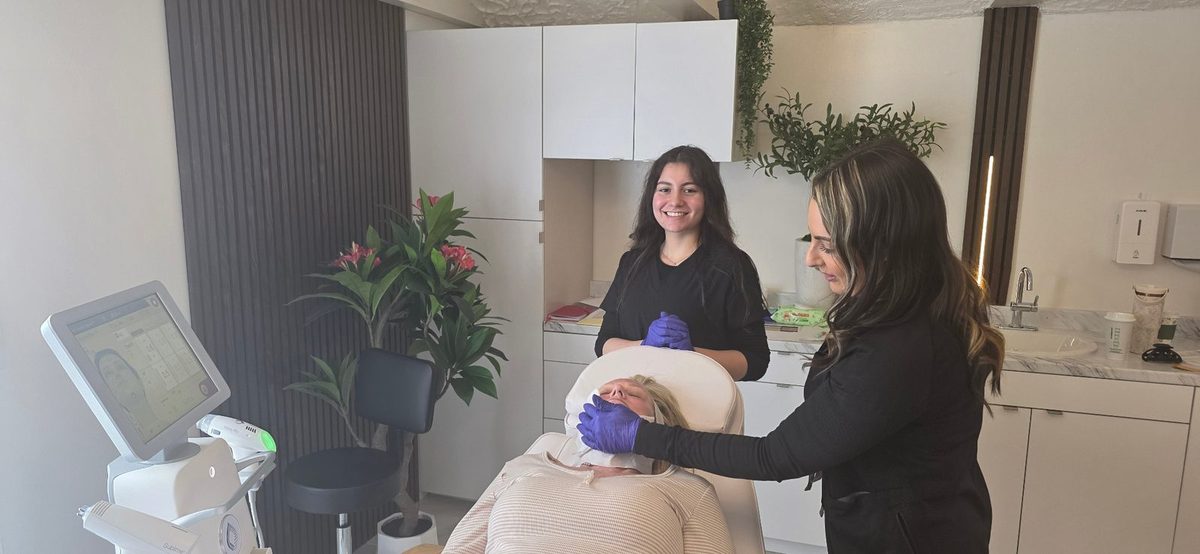
Nasolabial folds are a structural feature of the face, present in youth and simply more visible with age. Three changes converge to deepen them over time:
Volume loss in the midface. The fat compartments of the cheeks deflate and descend with age, removing the support structure above the fold. What looks like a line in the lower face often originates from volume lost higher up.
Skin laxity. As collagen and elastin production slows, skin loses the firmness that keeps it draped smoothly over the underlying structure. The fold becomes a crease rather than a gentle transition.
Gravitational descent. Soft tissue gradually migrates downward, increasing the depth of the nasolabial groove and, in some cases, contributing to marionette lines at the corners of the mouth.
Understanding these causes matters because treatment strategy follows from anatomy. Filler placed directly in the nasolabial fold corrects the line. Filler placed in the midface and cheeks (often called a "liquid lift") addresses the upstream volume deficit that drives the fold in the first place — and frequently produces a more natural, compounding result when both areas are treated together.
What Fillers Address
Deep Smile Lines
The primary nasolabial fold itself — the groove from the nostril base to the mouth corner — responds well to HA filler placed in the sub-dermal plane, restoring the cushion that softens the transition. Both RHA 4 and Vollure are FDA-cleared for this indication.
Marionette Lines
Lines that extend downward from the mouth corners toward the chin often accompany nasolabial folds and share the same upstream volume-loss cause. Filler in the prejowl and lower face can soften these lines as part of a coordinated lower-face treatment plan.
Midface Volume Deficit
When the primary driver is upper volume loss rather than a discrete nasolabial crease, pairing nasolabial filler with cheek filler (Juvéderm® Voluma) provides a compound correction — lifting the cheek restores the scaffold that keeps the nasolabial fold from forming in the first place.
Products We Use
RHA® Resilient Hyaluronic Acid Technology
RHA fillers are manufactured using a gentle cross-linking process that preserves the long HA chain structure, allowing the gel to flex and rebound with muscle movement rather than resisting it. The U.S. pivotal multicenter randomized controlled trial demonstrated significant improvement in Wrinkle Severity Rating Scale scores maintained through 64 weeks ↗.
Juvéderm® Vollure XC
Vollure uses Allergan's Vycross cross-linking technology to create a smooth, cohesive gel that integrates into tissue and provides long-lasting correction for moderate-to-severe nasolabial folds. It contains lidocaine for comfort during injection and has an FDA-approved durability profile of up to 18 months in clinical studies.
Dynamic Movement — Why It Matters
The nasolabial fold is one of the most mechanically active areas of the face — it compresses, stretches, and twists with every expression. Fillers that cannot flex with this movement can look stiff, feel unnatural, or break down unevenly. Both RHA and Vollure are engineered for this zone. A randomized split-face study of RHA injected via cannula confirmed non-inferiority to needle injection with favorable safety outcomes ↗.
Natural Results
The most common concern patients raise before nasolabial fold filler is some version of "I don't want to look done." That concern is legitimate — overfilled smile lines or filler placed in the wrong plane can flatten the face, create visible lumps, or make a fold look worse by adding bulk without structural support. Here is how we approach this at Maison Zolara:
Product selection drives movement. RHA filler flexes naturally with facial muscles because its molecular architecture matches the rheological demands of a dynamic zone. This is why we favor RHA for patients whose primary concern is maintaining a natural-looking smile — the filler moves when the face moves.
Less is more on first treatment. Our RN clinicians use a conservative, layered approach for first treatments: place volume conservatively, evaluate at two weeks once swelling has resolved, and add if needed. This prevents the overfilled appearance that comes from placing too much product in a single session.
Reversibility with hyaluronidase. All HA fillers — including RHA and Vollure — can be dissolved with hyaluronidase if correction is needed. This is a meaningful safety net that calcium hydroxylapatite (Radiesse) and poly-L-lactic acid (Sculptra) do not offer for acute correction.
Midface pairing for compound results. Many patients achieve a more balanced and natural outcome when nasolabial filler is paired with cheek filler during the same visit. Restoring upstream midface volume reduces the tension that deepens the fold, meaning less filler is needed in the fold itself and the result integrates with the whole face rather than correcting an isolated crease. Effectiveness and safety in diverse skin tones has been confirmed in post-hoc subgroup analyses of U.S. pivotal RHA trial data ↗.
Safety note: Hyaluronic acid dermal fillers are FDA-approved medical devices administered by injection. All injections carry risk of bruising, swelling, tenderness, and rare vascular complications. A thorough consultation and facial anatomy review precede every treatment at Maison Zolara. Results vary by individual anatomy and the volume of product used.
What to Expect
Step 1 — Free Consultation
Meet with your RN clinician to review your anatomy, discuss your goals, and determine whether nasolabial filler, midface filler, or a combination approach best addresses your concerns. Pricing is confirmed at this visit.
Step 2 — Treatment Planning & Photos
Before-and-after photos are taken in standardized lighting. Your clinician marks the injection points and reviews the product being used, the technique (needle or cannula), and the estimated volume.
Step 3 — Topical Numbing
A topical anesthetic is applied for 15–20 minutes. Both RHA and Vollure also contain lidocaine, which provides additional comfort during injection.
Step 4 — Injection (15–30 Minutes)
Product is placed in the sub-dermal plane along the nasolabial fold using a precise technique. If midface filler is included in the treatment plan, it is performed in the same session.
Step 5 — Immediate Review
Your clinician massages and evaluates symmetry immediately post-injection. Minor swelling is expected and can slightly overestimate the final result — evaluation at two weeks reflects the settled outcome.
Step 6 — Two-Week Follow-Up
Your clinician reviews the result, confirms symmetry, and addresses any refinement needed before closing the treatment record.
Aftercare
Most patients return to normal activity the same day or next day. Visible swelling typically resolves within 3–5 days; residual firmness fully integrates within 2 weeks. Bruising, if it occurs, generally resolves within 5–10 days and can be covered with makeup after 24 hours.
Pricing
Nasolabial fold filler at Maison Zolara is priced per syringe. Most patients require one syringe for initial treatment of the nasolabial folds alone; patients opting for a compound midface + nasolabial plan may require 2–3 syringes across both areas.
| Standard | Maison Circle Member | |
|---|---|---|
| Nasolabial Fold Filler (per syringe) | $799 | $699 |
Per syringe · Final pricing confirmed at consultation
The Maison Circle membership program offers member pricing on all injectable and device treatments at Maison Zolara, along with priority booking and exclusive member events. Ask about membership at your consultation, visit our membership page, or manage your bookings and treatment history through the Zolara Care app.
Pricing note: Syringe counts and final pricing are determined at consultation based on anatomy and treatment goals. The prices above represent per-syringe pricing for nasolabial fold correction. Combination treatment plans (e.g., nasolabial + cheek filler) are priced and quoted at consultation.
Am I a Good Candidate?
If you are unsure whether nasolabial fold filler, cheek filler, or a combination approach is right for you, our free consultation is the right starting point. Your clinician will review your anatomy, history, and goals before recommending any treatment.
Frequently Asked Questions
Related Treatments
Cheek Fillers in Lansing, MI
Juvéderm Voluma for midface volume; frequently paired with nasolabial filler for a compound lift effect.
Jawline Fillers in Lansing, MI
HA filler for jawline definition and jowl softening.
Chin Fillers in Lansing, MI
Profile-balancing filler for chin projection.
Lip Fillers in Lansing, MI
Natural lip volume and definition with Versa+.
Under Eye Fillers in Lansing, MI
Tear trough and under-eye hollowing correction.
Dermal Fillers in Lansing, MI
Overview of all filler treatments offered at Maison Zolara.
Serving the Greater Lansing Area
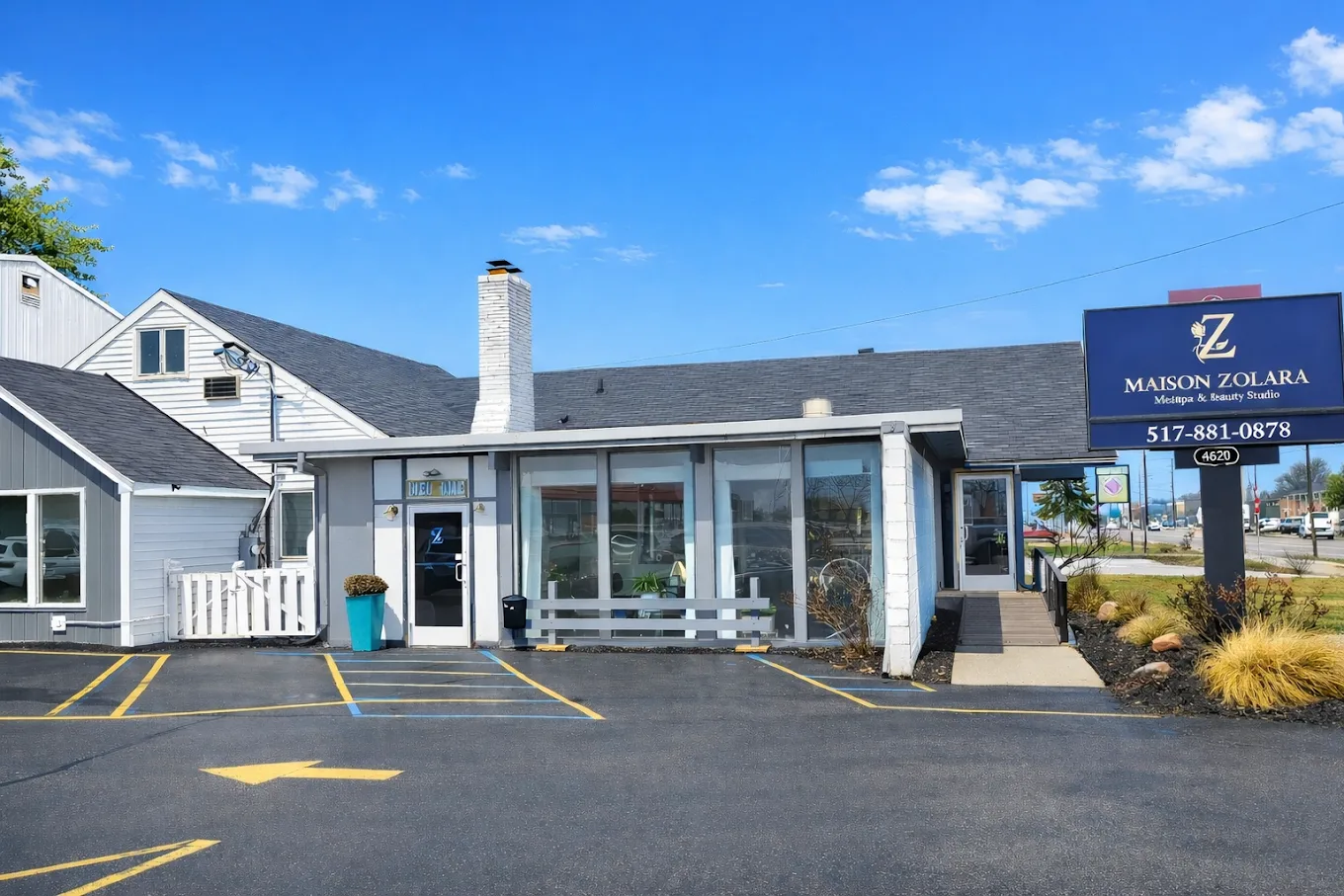
Maison Zolara is located at 4820 W Saginaw Hwy, Lansing, MI 48917 — on the west Lansing corridor with easy access from I-96 and US-127. We serve patients seeking nasolabial fold fillers from across the Greater Lansing metro area, including Holt, Okemos, and East Lansing to the east and south; Mason and DeWitt to the south and north; and Grand Ledge, Charlotte, St. Johns, and Williamston throughout mid-Michigan.
Whether you are commuting from downtown Lansing, driving over from Okemos, or coming in from Charlotte or St. Johns for a treatment day, our team is ready to welcome you. Free consultations are available in person and by phone. To book, visit our online scheduler or call (517) 881-0878 during business hours.
Our hours are 9:00 AM – 7:00 PM Monday through Friday and 9:00 AM – 5:00 PM on Saturday.
Clinical References
Monheit G, Kaufman-Janette J, Joseph JH, Shamban A, Dover JS, Smith S. Efficacy and Safety of Two Resilient Hyaluronic Acid Fillers in the Treatment of Moderate-to-Severe Nasolabial Folds: A 64-Week, Prospective, Multicenter, Controlled, Randomized, Double-Blinded, and Within-Subject Study. Dermatol Surg. 2020;46(12):1521–1529. doi:10.1097/DSS.0000000000002391. PMID: 32217842. https://pubmed.ncbi.nlm.nih.gov/32217842
Taylor S, Weinkle S, Kaufman-Janette J, Gallagher CJ, Kooken K, Brown J. Effectiveness and Safety of Resilient Hyaluronic Acid (RHA) Dermal Fillers for the Correction of Moderate-to-Severe Nasolabial Folds in People of Color: Post Hoc Subgroup Analyses of US Pivotal Clinical Data. Aesthet Surg J. 2024;44(4):412–420. doi:10.1093/asj/sjad251. PMID: 37556827. https://pubmed.ncbi.nlm.nih.gov/37556827
Kaufman-Janette J, Joseph JH, Dayan SH, Smith S, Eaton L, Maffert P. Patient Comfort, Safety, and Effectiveness of Resilient Hyaluronic Acid Fillers Formulated With Different Local Anesthetics. Dermatol Surg. 2022;48(10):1065–1070. doi:10.1097/DSS.0000000000003541. PMID: 36129233. https://pubmed.ncbi.nlm.nih.gov/36129233
Beer K, Biesman B, Cox SE, Smith S, Picault L, Trevidic P. Efficacy and Safety of Resilient Hyaluronic Acid Fillers Injected with a Cannula: A Randomized, Evaluator-Blinded, Split-Face Controlled Study. Clin Cosmet Investig Dermatol. 2023;16:959–972. doi:10.2147/CCID.S402315. PMID: 37038451. https://pubmed.ncbi.nlm.nih.gov/37038451
Page Disclaimer: The information on this page is provided for educational purposes only and does not constitute medical advice. Clinical references are sourced from peer-reviewed research and named institutions as cited below. Individual results vary. Consult a qualified healthcare provider before beginning any treatment.
The Medical Director provides clinical oversight of treatments performed at this practice. The Medical Director does not author, review, or endorse website content.