PRP Hair Restoration in Lansing, MI
Hair thinning is one of the most common concerns we see at Maison Zolara, and one of the most undertreated — largely because patients don't know a clinically supported, non-surgical option exists close to home. PRP (Platelet-Rich Plasma) Scalp Therapy is an autologous treatment, meaning it uses concentrated growth factors drawn directly from your own blood. There are no synthetic fillers, no foreign substances, and no surgery. The treatment is performed at our west Lansing medspa on W Saginaw Hwy, and is supervised by our on-staff Medical Director.
This page covers everything you need to know: how it works, who it's right for, what the research says, what to expect at your appointment, and how it compares to topical and oral alternatives. Pricing starts From $699 per session; final pricing is confirmed at your consultation.
- ✓PRP (Platelet-Rich Plasma) Scalp Therapy
- ✓Autologous — uses your own blood
- ✓MD-supervised
- ✓RN-performed
- ✓All hair loss types considered
- ✓Free consultation
- ✓Package pricing available
How It Works
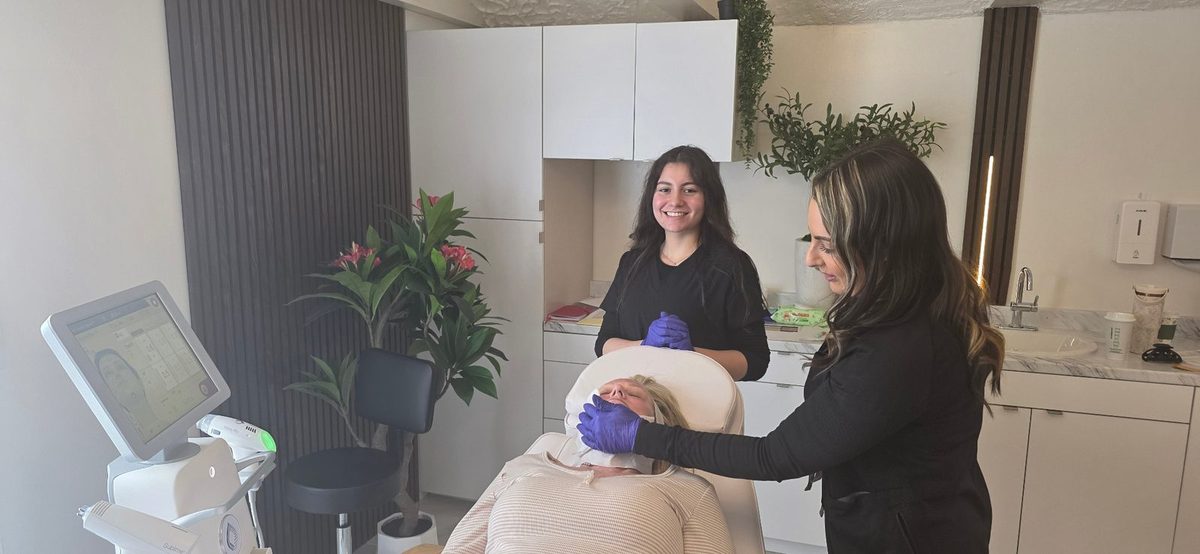
PRP therapy begins with a small blood draw — typically 20–60 mL — taken from your arm in our treatment suite. That sample is placed in a centrifuge, which spins at high speed to separate the blood into its components. The resulting platelet-rich layer is concentrated and then prepared for scalp injection.
Platelets are best known for their role in clotting, but they also carry a dense payload of growth factors — including platelet-derived growth factor (PDGF), vascular endothelial growth factor (VEGF), and insulin-like growth factor (IGF-1). When injected into the scalp at the level of the hair follicle, these growth factors are understood to:
- Stimulate cell proliferation and angiogenesis (new blood vessel formation)
- Prolong the anagen (active growth) phase of the hair cycle
- Reduce follicular inflammation
- Support collagen synthesis around the follicle
The entire in-office procedure typically takes 45–60 minutes from blood draw to completion. Because the plasma comes from your own body, the risk of allergic reaction or rejection is extremely low.
Why "autologous" matters: Because PRP is derived from your own blood, it carries none of the immunogenic risks associated with synthetic injectables. This is a meaningful safety distinction — and one reason the treatment has been studied extensively in peer-reviewed literature.
What It Treats
PRP (Platelet-Rich Plasma) Scalp Therapy is best suited for patients experiencing early-to-moderate androgenetic alopecia (male or female pattern hair loss) who still have active, living follicles. It is not a treatment for areas of complete follicle loss, where no viable follicle remains to respond to growth factor stimulation.
Androgenetic Alopecia
The most common form of hair loss in both men and women, driven by genetic sensitivity to DHT. PRP is most effective when follicles are miniaturized but still present — early intervention typically yields the best outcomes.
Female Pattern Hair Loss
Women often experience diffuse thinning across the crown rather than a receding hairline. PRP has been studied in female-pattern loss with results showing improved hair density and thickness in multiple randomized trials.
Post-Partum & Stress-Related Shedding
Telogen effluvium — the temporary shedding triggered by hormonal shifts, illness, or stress — can leave follicles in a prolonged resting state. PRP may help re-activate follicles and shorten the recovery timeline.
Thinning After Procedures
Patients who have undergone hair transplant surgery sometimes use PRP as an adjunct to support graft survival and accelerate regrowth in the recipient area.
Clinical context: A 2023 systematic review and meta-analysis published in PMC / NIH analyzing data from multiple randomized controlled trials found that PRP treatment significantly enhanced hair density and thickness compared to control groups, with statistically significant improvements reported across six of the included studies. ↗
PRP Scalp Therapy
Our treatment is delivered as PRP (Platelet-Rich Plasma) Scalp Therapy — a fully autologous protocol performed by our licensed registered nurse (RN) clinicians under the clinical oversight of our on-staff Medical Director.
Autologous Protocol
The plasma used in every session is drawn from the patient's own blood that same day. Nothing external is introduced into the scalp — the treatment works entirely with your body's own biology.
Precision Scalp Injection
Growth-factor-rich plasma is delivered via fine-gauge injections at the level of the dermal papilla — the structure at the base of each follicle responsible for directing hair growth. Injection depth and distribution are mapped to the patient's specific thinning pattern.
Centrifugation & Concentration
Our centrifugation process concentrates the platelet layer to a therapeutic level. Platelet concentration is a key variable in PRP outcomes; the International Society of Hair Restoration Surgery (ISHRS) has noted that platelet concentration ranges of 150–450 mcL are associated with the clinical results documented in published research.
MD-Supervised Safety
Every PRP treatment at Maison Zolara is performed within a physician-supervised practice framework. Our on-staff Medical Director provides clinical oversight of all injectable and procedural treatments. Contraindications are reviewed at your consultation before any treatment is scheduled.
Safety & Risks
PRP is widely regarded as a low-risk procedure because it is autologous — the injected material comes from your own body, eliminating the risk of allergic reaction or foreign-body response. That said, as with any injection-based treatment, there are real considerations to discuss.
Common, expected reactions (typically resolve within 24–72 hours):
- Scalp tenderness or sensitivity at injection sites
- Mild swelling or redness
- Temporary itching
- Minor bruising
Less common:
- Temporary increased shedding in the weeks following treatment (a normal part of the follicular cycle reset)
- Headache on the day of treatment
Contraindications — patients who are generally not candidates:
- Active scalp infection or skin condition at the treatment site
- Platelet dysfunction disorders or active anticoagulant therapy
- Active cancer or recent chemotherapy
- Pregnancy
- Severe anemia or low platelet count
A 2019 letter published in the Journal of the American Academy of Dermatology identified minor adverse effects including scalp itching, temporary telogen effluvium, and lymphadenopathy as the most commonly reported events — all of which resolved without intervention. ↗
Important: PRP is not FDA-approved specifically for hair restoration. The FDA has cleared centrifuge devices used in PRP preparation for general blood processing. The use of PRP for hair loss is an established off-label application supported by peer-reviewed clinical evidence. Our on-staff Medical Director reviews all treatment protocols in accordance with current clinical standards.
Alternatives
Many patients researching PRP hair restoration have also looked into topical and oral options. Here is a neutral comparison to help you understand where each approach fits.
The most important distinction is that PRP works biologically — it delivers growth factors directly to the follicle — while topical and oral options work pharmacologically through different mechanisms. Neither approach is universally superior; the right choice depends on your hair loss pattern, stage, and health history.
Note: Maison Zolara does not prescribe or dispense topical or oral hair loss medications. The comparison above is provided for educational context only.
A note on stem cell hair restoration: Patients sometimes ask whether PRP is the same as "stem cell hair restoration." It is not. PRP uses growth factors from your own platelets. Stem cell therapies involve different biological mechanisms and are largely still in research phases. According to a frequently searched question — does stem cell hair restoration work? — the honest answer is that the evidence base for stem cell-specific hair treatments is far less established than for PRP, which has multiple randomized controlled trials supporting its use in androgenetic alopecia.
What to Expect
Here is a step-by-step overview of the PRP experience at Maison Zolara, from your first consultation through your maintenance phase.
Before Your Treatment
Your journey begins with a complimentary consultation. Our licensed RN clinicians will assess your hair loss pattern, review your medical history, and confirm candidacy. We'll discuss your goals, explain the protocol, and answer every question before scheduling your first session. Please arrive well-hydrated on treatment day and avoid blood-thinning supplements (such as fish oil, aspirin, or vitamin E) for 5–7 days prior, as directed at your consultation.
During Treatment
On treatment day, a small blood draw is performed — similar to a standard lab draw. The sample is centrifuged to isolate the platelet-rich plasma. A topical numbing agent is applied to the scalp to maximize comfort. Our RN clinician then delivers the PRP via a series of fine injections across the thinning areas. Most patients describe the sensation as mild pressure or a light pinching. The full procedure takes approximately 45–60 minutes.
After Treatment
You may experience mild scalp tenderness, redness, or swelling for 24–48 hours — this is normal and expected. Most patients return to their regular activities the same day. Avoid washing your hair for 6–8 hours post-treatment, and avoid strenuous exercise, saunas, or direct sun exposure for 24 hours. A standard initial protocol consists of 3–4 sessions spaced 4–6 weeks apart, followed by maintenance sessions every 6–12 months. Results are gradual — most patients begin to notice changes at 3–6 months, with optimal results visible at 6–12 months.
Aftercare
Proper aftercare in the days following each session supports the best possible outcome and minimizes the chance of complications. The following guidelines apply after each PRP treatment.
Pricing
PRP (Platelet-Rich Plasma) Scalp Therapy at Maison Zolara is priced From $699 per session. Most patients complete an initial series of 3–4 sessions; package pricing is available and confirmed at your consultation.
| Pricing Tier | Per Session | Notes |
|---|---|---|
| Standard | From $699 | Per session · Final pricing confirmed at consultation |
| Maison Circle Members | From $599 | Member pricing available |
| Package (3-session series) | Confirmed at consultation | Lowest per-session cost |
Maison Circle members receive member pricing on PRP Hair Restoration and can track their treatment journey in the Zolara Care app (available on the App Store).
Final pricing is always confirmed at your complimentary consultation, where our team will assess your hair loss pattern and recommend the appropriate session frequency for your goals.
Am I a Good Candidate?
PRP is not the right treatment for every patient — and we believe honest candidacy guidance is part of providing excellent care. The following framework will help you understand whether it may be appropriate for you.
If you're unsure whether you're a candidate, the best next step is a complimentary consultation. Our licensed RN clinicians will review your history and give you an honest assessment — including whether a different treatment may serve you better.
FAQ
Related Treatments
PRP Facial in Lansing, MI
Our PRP Facial uses the same autologous platelet-rich plasma technology applied to facial skin — targeting texture, tone, fine lines, and collagen production. A distinct treatment from PRP Hair Restoration with its own dedicated page.
RF Microneedling in Lansing, MI
Candela Matrix RF microneedling delivers radiofrequency energy through insulated microneedles to remodel collagen and improve skin texture. Often combined with regenerative treatments as part of a comprehensive aesthetic plan.
Dermal Fillers in Lansing, MI
RHA Collection hyaluronic acid fillers for volume restoration, lip enhancement, and facial contouring — performed by our licensed RN clinicians under physician oversight.
Medical-Grade Skincare
Professional-grade skincare products available through Maison Zolara to support and extend the results of your in-office treatments, including options formulated for scalp and hair health.
Serving the Greater Lansing Area
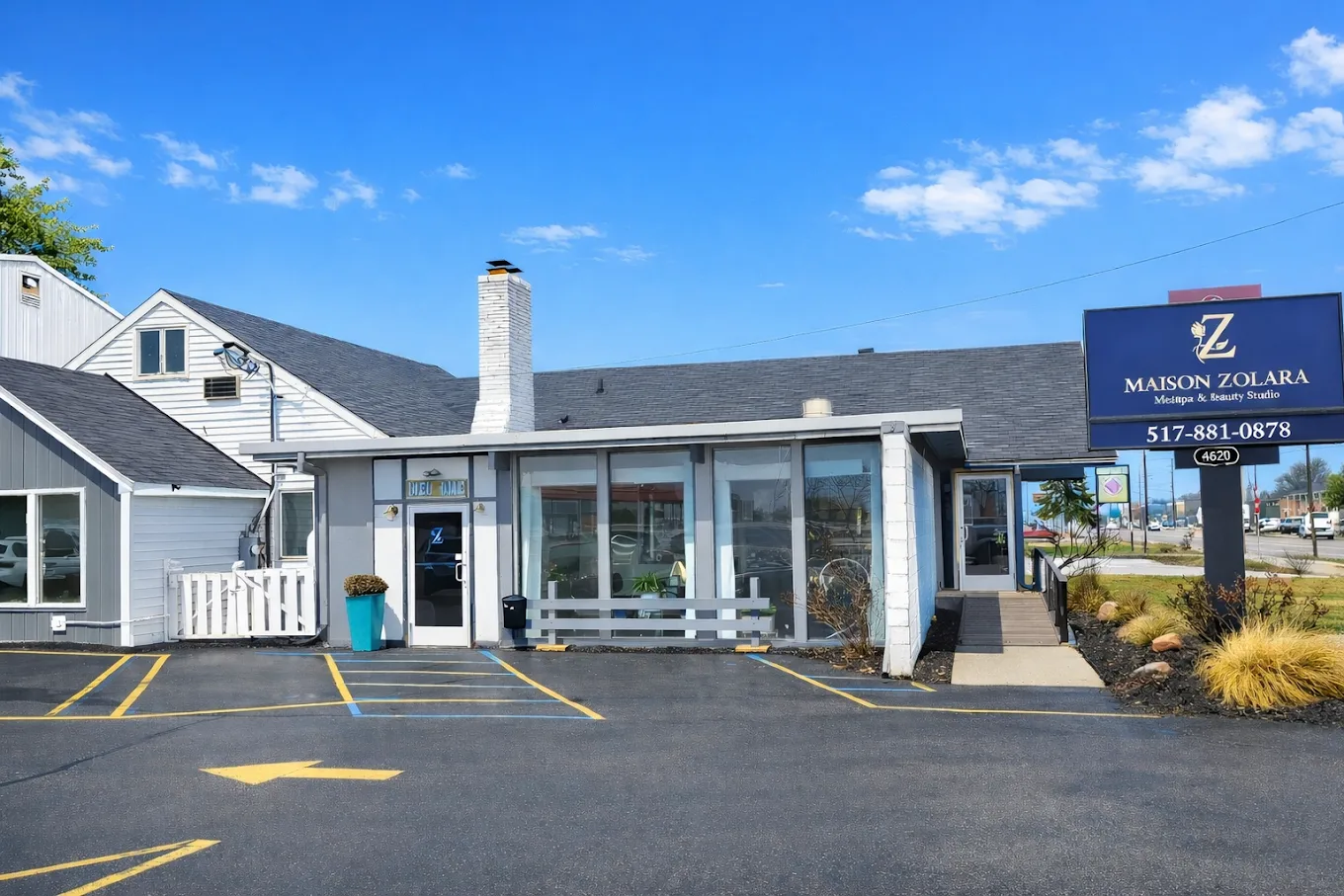
Maison Zolara is located at 4820 W Saginaw Hwy in west Lansing — conveniently accessible from across the greater mid-Michigan region. We serve patients from East Lansing, Okemos, Holt, DeWitt, Grand Ledge, Mason, Williamston, Charlotte, St. Johns, and communities throughout the 30-mile radius.
Our clinic is open 9:00 AM – 7:00 PM Monday through Friday and 9:00 AM – 5:00 PM on Saturdays. Complimentary consultations for PRP Hair Restoration are available by appointment.
Whether you're coming from the Michigan State University corridor in East Lansing, the DeWitt Township area, or further west toward Grand Ledge, our west Lansing location on W Saginaw Hwy is a straightforward drive with ample parking.
Clinical References
Gentile P, Garcovich S, Bielli A, Scioli MG, Orlandi A, Cervelli V. The effect of platelet-rich plasma in hair regrowth: A randomized placebo-controlled trial. Stem Cells Translational Medicine. 2015;4(11):1317–1323. https://pmc.ncbi.nlm.nih.gov/articles/PMC4622412/
Tawfik AA, Osman MAR. The effect of autologous activated platelet-rich plasma injection on female pattern hair loss: A randomized placebo-controlled study. Journal of Cosmetic Dermatology. 2018;17(1):47–53. Cited in: Platelet-rich plasma for androgenetic alopecia — PMC/NIH systematic review. https://pmc.ncbi.nlm.nih.gov/articles/PMC6374694/
Gupta AK, Renaud HJ, Bamimore M. Platelet-rich plasma for the treatment of alopecia: a systematic review and meta-analysis. PMC/NIH. 2023. https://pmc.ncbi.nlm.nih.gov/articles/PMC9918380/
Adverse effects of platelet-rich plasma and microneedling. Journal of the American Academy of Dermatology. 2019. https://www.jaad.org/article/S0190-9622(19)32554-X/fulltext
International Society of Hair Restoration Surgery (ISHRS). PRP for Hair Loss — Clinical Overview. https://www.ishrs.org
Page Disclaimer: The information on this page is provided for educational purposes only and does not constitute medical advice. Clinical references are sourced from peer-reviewed research and named institutions as cited below. Individual results vary. Consult a qualified healthcare provider before beginning any treatment.
The Medical Director provides clinical oversight of treatments performed at this practice. The Medical Director does not author, review, or endorse website content.