PRP Facial in Lansing, MI
PRP stands for Platelet-Rich Plasma — a concentrated serum derived from a small sample of your own blood that is rich in growth factors your skin uses to repair and regenerate itself. When applied to the face through precise micro-injections or microneedling channels, those growth factors signal your skin cells to produce new collagen, improve tone, and smooth texture. The result is a gradual, natural-looking renewal that builds over weeks rather than appearing overnight.
At Maison Zolara in west Lansing, our licensed registered nurse (RN) clinicians perform every PRP Facial under the clinical oversight of our on-staff Medical Director. This page is designed to give you the most complete, honest picture of what a PRP Facial is, how it works, who it helps, and what the research actually says — so you can make a confident, informed decision before you book.
- ✓PRP (Platelet-Rich Plasma)
- ✓FDA-cleared technology
- ✓All skin types
- ✓MD-supervised
- ✓RN-performed
- ✓Free consultation
- ✓Package pricing available
How It Works
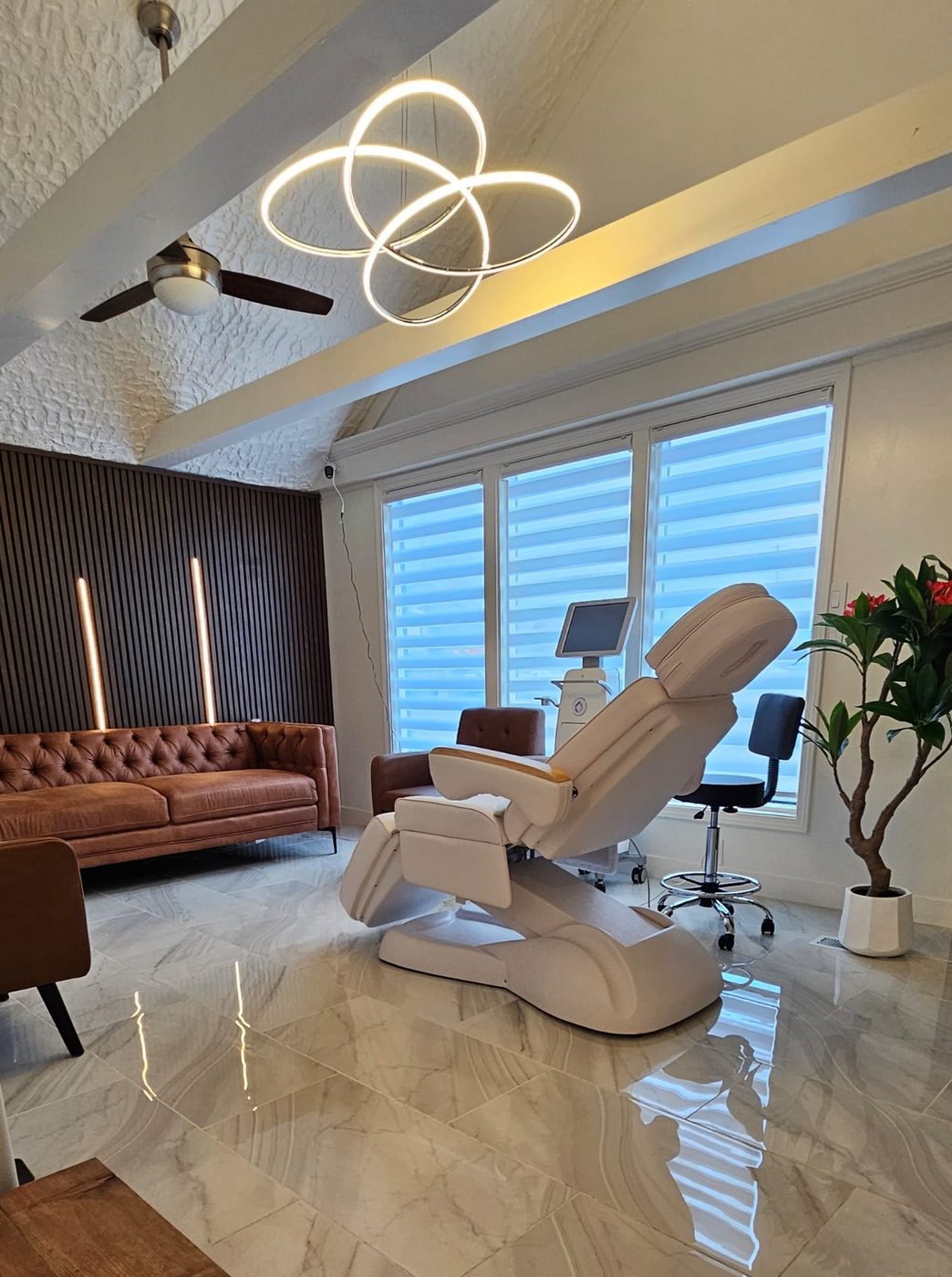
Understanding the biology behind PRP helps explain why results feel so natural. Here is what happens at each stage of the process.
The Science
Your blood contains platelets — tiny cell fragments whose primary job is to rush to a wound site and release a cascade of growth factors that orchestrate tissue repair. Those growth factors include platelet-derived growth factor (PDGF), transforming growth factor (TGF-β), vascular endothelial growth factor (VEGF), and others that collectively stimulate fibroblast activity, collagen synthesis, and new blood vessel formation.
A PRP Facial concentrates these platelets to levels several times higher than what circulates in normal blood. When reintroduced into the dermis, the concentrated growth factors trigger the same repair cascade — but in skin that is not injured, prompting a regenerative rather than a wound-healing response. The outcome is denser, firmer, more luminous skin over a treatment series.
According to a 2025 systematic review published in PubMed (PMID 40118148), "PRP induced a cascade of growth factors that increased dermal density, reducing wrinkles and improving skin luminosity and hydration." A separate 2024 review published in PMC (PMID 11391108) analyzed 24 studies covering 480 patients and found that "PRP consistently showed modest improvements in skin appearance, texture, and fine lines."
Clinical bottom line: A 2021 peer-reviewed clinical trial published in Acta Biomedica (PMC8182581) found that PRP facial rejuvenation produced best results in improving periorbital dark circles and wrinkles, with no serious or persistent side effects reported across the study cohort.
The Centrifuge Step
A small blood draw — typically 10–20 mL, similar to a routine lab test — is taken from your arm. The sample is placed in a sterile centrifuge that spins at calibrated speeds to separate red blood cells from the platelet-rich plasma layer. The resulting PRP concentrate is then prepared for application. The entire preparation takes approximately 10–15 minutes.
Delivery Methods
PRP can be delivered two ways, and our clinicians will recommend the approach best suited to your skin goals:
- Micro-injections — PRP is injected directly into targeted areas of the dermis using fine-gauge needles, ideal for deeper lines, hollows, or localized concerns.
- Microneedling + PRP — A microneedling device creates thousands of micro-channels in the skin surface, and PRP is applied topically so it absorbs deeply through those channels. This approach covers a broader surface area and is often preferred for overall texture and tone improvement.
Both methods are performed with topical numbing cream applied in advance.
What It Treats
PRP Facial therapy is well-suited for a range of skin concerns that share a common root cause: declining collagen production and cellular turnover.
Fine Lines & Early Wrinkles
Growth factors stimulate fibroblasts to produce new collagen and elastin, gradually softening fine lines around the eyes, mouth, and forehead. Results build progressively over 4–8 weeks as new collagen matures.
Skin Texture & Pore Refinement
Uneven texture, enlarged pores, and rough skin surface respond well to PRP's regenerative signaling. Patients in Okemos and East Lansing frequently seek PRP specifically for the "glass skin" smoothing effect it produces over a treatment series.
Dullness & Uneven Tone
PRP promotes new blood vessel formation (angiogenesis) in the dermis, improving circulation and giving skin a brighter, more even appearance. This makes it particularly effective for the tired, grey tone that often accompanies sun damage or seasonal dryness.
Periorbital Dark Circles
The under-eye area is one of the most consistently documented indications for PRP. The 2021 Acta Biomedica trial specifically identified periorbital dark circles as an area of best response, attributed to improved dermal thickness and microcirculation.
Acne Scars & Post-Inflammatory Marks
PRP's collagen-induction properties help remodel atrophic (depressed) acne scars over a series of treatments. For patients in Holt or Mason seeking acne scar treatment, PRP is often combined with RF microneedling for enhanced remodeling depth.
Early Skin Laxity
While PRP is not a substitute for surgical lifting, it supports dermal density and firmness in patients with mild laxity — particularly around the jawline, cheeks, and neck. Patients from DeWitt and Grand Ledge with early laxity concerns often combine PRP with our non-surgical skin tightening treatments for a complementary approach.
Technology
Autologous — From Your Own Body
PRP is derived entirely from your own blood, which means there is zero risk of allergic reaction, foreign-body response, or transmission of external biological material. The treatment is inherently biocompatible because the growth factors are your own.
FDA-Cleared Processing
The centrifuge systems and collection kits used in clinical PRP preparation are FDA-cleared medical devices. The FDA has cleared these devices for blood processing; PRP application for aesthetic purposes is performed by licensed clinicians under physician supervision.
Concentration Matters
Clinical-grade PRP preparation achieves platelet concentrations of 3–5× baseline blood levels. This concentration threshold is considered necessary to produce a meaningful growth factor response in the target tissue. Consumer-grade or improperly prepared PRP may not reach therapeutic concentration levels.
Combination Synergy
PRP pairs naturally with microneedling, creating micro-channels that dramatically increase dermal absorption of the growth factor concentrate. Our licensed RN clinicians are trained in both standalone PRP injection protocols and combined PRP + microneedling delivery.
Safety & Risks
PRP Facial is one of the safest aesthetic procedures available because it uses your own biological material. That said, every medical procedure carries some risk, and we believe in full transparency.
Common, Expected Side Effects
Most patients experience some combination of the following in the 24–72 hours after treatment:
- Redness and warmth — similar to a mild sunburn; typically resolves within 24 hours
- Swelling — mild, especially around the eyes; usually subsides within 48 hours
- Bruising — possible at injection sites; resolves within 5–10 days
- Tenderness — at treated areas; manageable with cool compresses
These are expected responses, not complications. They indicate that the inflammatory cascade — and therefore the healing response — has been activated.
Less Common Risks
- Infection — rare when performed in a clinical setting with sterile technique; our protocols follow medical-grade sterility standards
- Herpes simplex reactivation — patients with a history of cold sores should disclose this before treatment; prophylactic antiviral medication may be recommended
- Temporary hyperpigmentation — uncommon; more likely in patients with darker Fitzpatrick skin types if post-care sun protection is not followed
Who Should Not Receive It
Contraindications include: Active skin infection or open wounds at the treatment site · Platelet dysfunction disorders or thrombocytopenia · Active anticoagulant therapy (blood thinners) · Active cancer or chemotherapy · Pregnancy or breastfeeding · Severe anemia · Allergy to local anesthetics used in topical numbing preparations.
Always disclose your full medical history and current medications at your consultation. Our licensed RN clinicians and on-staff Medical Director will review your candidacy before any treatment is performed.
Addressing Common Fears
"I'm afraid of needles and blood draws." The blood draw is small — comparable to a standard lab test — and takes under two minutes. Topical numbing cream is applied to the face before any injections, making the treatment comfortable for the vast majority of patients. Many patients from Williamston and Charlotte who were initially apprehensive report the experience was far less intimidating than they expected.
"Will I look bruised at work?" Bruising is possible but not universal. Most patients have mild redness for 24 hours. We recommend scheduling your appointment at least 5–7 days before a major event to allow any bruising to resolve.
Alternatives
vs. Exosomes & Bio-Stimulators
As regenerative aesthetics has grown, several bio-stimulator options have emerged alongside PRP. Here is a neutral comparison to help you understand the landscape.
PRP (Platelet-Rich Plasma)
PRP uses growth factors concentrated from your own blood. Because it is autologous, there is no risk of allergic reaction to foreign biological material. The growth factor profile reflects your individual biology. PRP has a well-established body of peer-reviewed clinical literature spanning over two decades. It is performed in a single appointment — blood draw, centrifuge, and application — with no external product required. PRP is a strong choice for patients who prefer a fully autologous, biologically familiar treatment with a long safety track record.
Exosomes & Other Bio-Stimulators
Exosomes are nano-sized extracellular vesicles derived from donor stem cells or other biological sources. They deliver a broader array of signaling molecules than PRP and may address a wider spectrum of concerns. However, exosomes are not autologous — they come from an external source — and the long-term safety data is considerably less mature than PRP's. The FDA has issued safety communications noting that exosome products marketed for aesthetic use are not currently FDA-approved. Patients considering exosome therapy should research the regulatory status of any specific product carefully.
| Feature | PRP Facial | Exosomes |
|---|---|---|
| Source | Your own blood (autologous) | External donor-derived |
| Allergy risk | None (autologous) | Possible (foreign material) |
| Clinical evidence depth | 20+ years of peer-reviewed studies | Emerging; less mature literature |
| FDA status | FDA-cleared processing devices | Not FDA-approved for aesthetic use |
| Customization | Reflects your own biology | Standardized product formulation |
| Typical sessions | 3–4 for initial series | Varies by product/protocol |
vs. Chemical Peels
Chemical peels work by controlled exfoliation of the outer skin layers, triggering surface renewal. PRP works deeper — in the dermis — stimulating structural collagen and elastin. The two treatments address different layers of the skin and are frequently combined in a treatment plan: a peel to address surface texture and pigmentation, PRP to rebuild dermal density and firmness.
vs. RF Microneedling
RF microneedling uses radiofrequency energy delivered through microneedles to heat the dermis and trigger collagen remodeling. PRP can be applied during or after microneedling to amplify the regenerative response. Many patients in the greater Lansing area choose to combine both in a single session for synergistic results.
What to Expect
Before Your Treatment
At your complimentary consultation, our licensed RN clinicians will review your skin concerns, medical history, and current medications. Photographs are taken for baseline comparison. You will receive pre-treatment instructions: avoid blood thinners (aspirin, ibuprofen, fish oil) for 5–7 days if medically appropriate; arrive with clean skin; avoid retinoids for 3 days prior. Topical numbing cream is applied 30–45 minutes before your appointment begins.
During Treatment
The blood draw takes approximately 2 minutes from your arm. While the centrifuge processes your sample (10–15 minutes), your clinician prepares the treatment area. PRP is then delivered via micro-injections, microneedling, or a combination of both — a process that typically takes 20–30 minutes. Most patients describe the sensation as mild pressure or a light stinging; the numbing cream significantly reduces discomfort. Total appointment time is approximately 60–75 minutes.
After Treatment
Expect redness and mild swelling for 24–48 hours. Avoid makeup, strenuous exercise, and direct sun exposure for 24 hours. Use a gentle, fragrance-free moisturizer and broad-spectrum SPF 30+ daily. Avoid retinoids and active exfoliants for 5–7 days post-treatment. Initial improvements in skin glow and hydration are often noticed within 2–3 weeks; collagen remodeling continues for 3–6 months. A series of 3 sessions spaced 4–6 weeks apart is typically recommended for optimal results.
Aftercare
Pricing
PRP Facial at Maison Zolara is priced From $450 per session. Final pricing is confirmed at your complimentary consultation, where your clinician will assess your skin, discuss your goals, and recommend the appropriate protocol and session count.
Maison Circle members receive member pricing starting From $395 per session — a meaningful saving on a treatment series. Maison Circle members also receive member pricing on PRP Facial and can track their treatment journey in the Zolara Care app (available on the App Store).
Package pricing is available for treatment series (typically 3 sessions), which reduces the per-session cost and ensures the collagen-building process is completed properly. Ask about package options at your consultation.
| Pricing Tier | Per Session |
|---|---|
| Standard | From $450 |
| Maison Circle Member | From $395 |
| Series packages | Available — ask at consultation |
Final pricing confirmed at consultation. Pricing subject to change.
Am I a Good Candidate?
Good Candidates
- ✓Adults in generally good health with realistic expectations
- ✓Patients with fine lines, early wrinkles, or loss of skin radiance
- ✓Those seeking improvement in skin texture, pore size, or tone
- ✓Patients with periorbital dark circles or mild hollowing
- ✓Those with mild acne scarring or post-inflammatory marks
- ✓Patients who prefer autologous (from their own body) treatments
- ✓Those who want gradual, natural-looking improvement over time
- ✓Patients in East Lansing, Okemos, Holt, Mason, or surrounding communities seeking a medically supervised regenerative treatment
Not a Good Fit
- ✗Active skin infection, open wounds, or active acne breakouts at treatment site
- ✗Platelet disorders, thrombocytopenia, or active anticoagulant therapy
- ✗Active cancer, chemotherapy, or radiation therapy
- ✗Pregnancy or breastfeeding
- ✗Severe anemia or blood disorders
- ✗Patients expecting dramatic, surgical-level results from a single session
- ✗Those unwilling to follow post-care instructions (especially sun protection)
- ✗Patients with unrealistic expectations about the pace of collagen remodeling
PRP Facial results are not as dramatic as surgical procedures — University Hospitals notes this distinction clearly in their patient education materials. PRP is a regenerative treatment that works with your biology over time, not an instant transformation. Patients who understand and embrace this timeline consistently report high satisfaction.
Frequently Asked Questions
Related Treatments
RF Microneedling — Lansing, MI
Candela Matrix RF microneedling delivers radiofrequency energy deep into the dermis for collagen remodeling. Frequently combined with PRP in a single session for amplified skin renewal results.
PRF Under-Eye Treatment — Lansing, MI
Platelet-Rich Fibrin (PRF) is a next-generation evolution of PRP with a slower growth factor release. Particularly effective for the delicate under-eye area and tear trough hollowing.
Chemical Peels — Lansing, MI
Medical-grade VI Peel and chemical peels address surface pigmentation, texture, and tone. Pairs well with PRP in a sequenced treatment plan targeting both surface and structural skin renewal.
EZ Gel Autologous Filler — Lansing, MI
EZ Gel is an autologous filler derived from your own blood — a natural volume restoration option that complements PRP facial rejuvenation for patients seeking both structural support and regenerative renewal.
Dermal Fillers — Lansing, MI
RHA Collection hyaluronic acid fillers restore volume and contour. Often combined with PRP in a comprehensive facial rejuvenation plan addressing both volume loss and skin quality.
Medspa Services — Lansing, MI
Explore our full menu of MD-supervised aesthetic treatments including neuromodulators, laser hair reduction, skin tightening, and more at Maison Zolara in west Lansing.
Serving the Greater Lansing Area
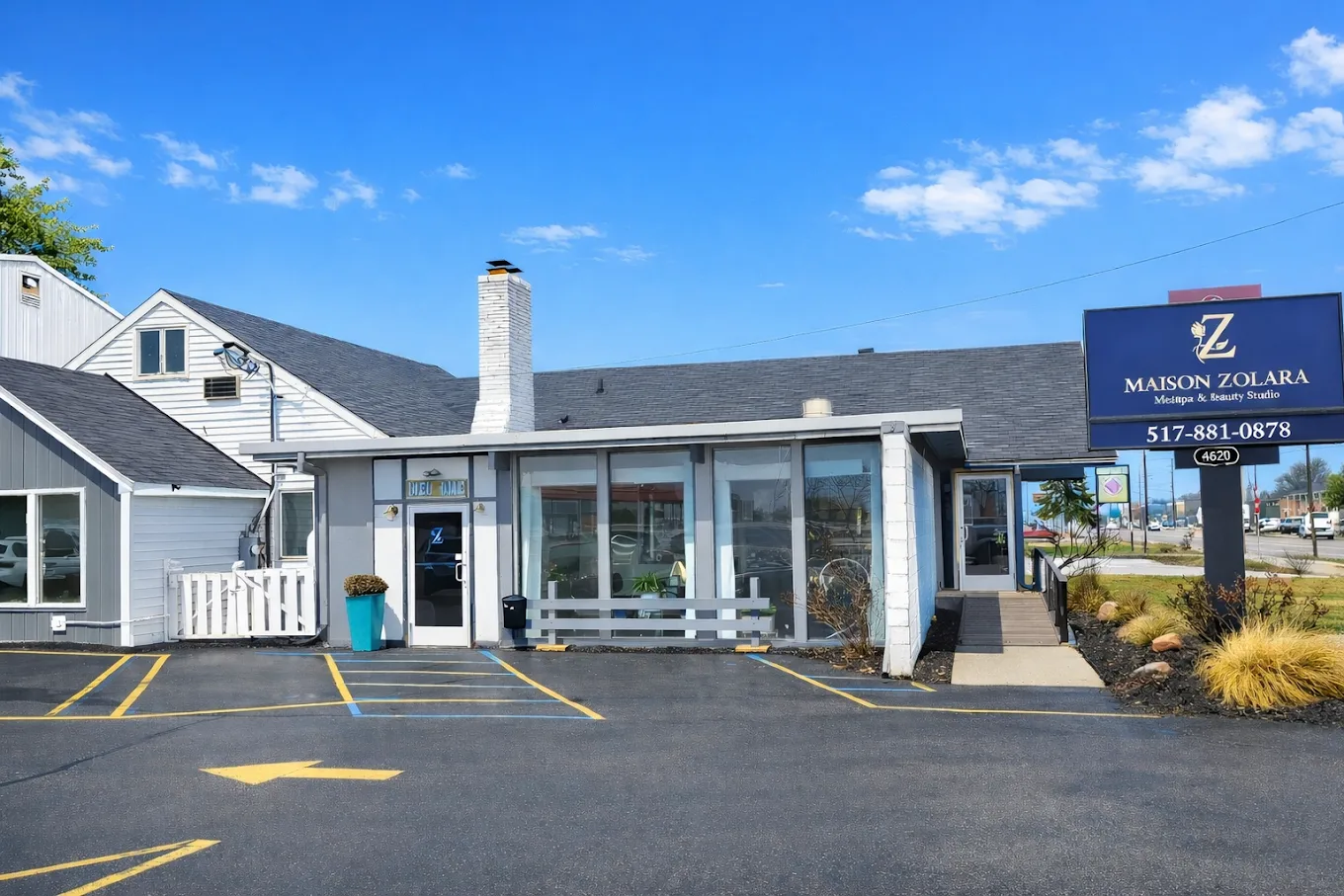
Maison Zolara is located at 4820 W Saginaw Hwy, Lansing, MI 48917 — on W Saginaw Hwy in west Lansing, easily accessible from across the greater mid-Michigan region.
We welcome patients seeking PRP Facial and platelet-rich plasma skin renewal from throughout the 30-mile service radius, including:
- East Lansing — MSU-area residents and faculty seeking medically supervised skin renewal
- Okemos — Patients looking for PRP facial treatment near Okemos with physician oversight
- Holt — Residents seeking platelet-rich plasma therapy for acne scars and skin texture in Holt
- DeWitt — Patients from DeWitt and Bath Township seeking collagen-stimulating facial treatments
- Grand Ledge — Grand Ledge residents exploring regenerative skin care alternatives
- Mason — Patients from Mason seeking PRP facial near me with RN-performed treatments
- Charlotte — Eaton County residents seeking medical-grade skin renewal in the Lansing area
- St. Johns — Clinton County patients traveling to west Lansing for PRP facial therapy
- Williamston — Ingham County residents seeking platelet-rich plasma facial rejuvenation
Hours: Monday–Friday 9:00 AM – 7:00 PM · Saturday 9:00 AM – 5:00 PM
Complimentary consultations are available in-person and by phone. Book your free consultation or call (517) 881-0878 to speak with our team.
Clinical References
Mehryan P, et al. Platelet-rich Plasma use for facial rejuvenation: a clinical trial and review of current literature. Acta Biomedica. 2021;92(1). https://pmc.ncbi.nlm.nih.gov/articles/PMC8182581/
Maisel-Campbell AL, et al. Efficacy of platelet-rich plasma in facial rejuvenation: A systematic review. PubMed / NCBI. 2025. PMID 40118148. https://pubmed.ncbi.nlm.nih.gov/40118148/
Platelet-Rich Plasma in Aesthetic Dermatology: Current Evidence and Future Directions. PMC / National Institutes of Health. 2024. PMC11391108. https://pmc.ncbi.nlm.nih.gov/articles/PMC11391108/
Use of platelet rich plasma for skin rejuvenation. PMC / National Institutes of Health. 2024. PMC11035968. https://pmc.ncbi.nlm.nih.gov/articles/PMC11035968/
Page Disclaimer: The information on this page is provided for educational purposes only and does not constitute medical advice. Clinical references are sourced from peer-reviewed research and named institutions as cited below. Individual results vary. Consult a qualified healthcare provider before beginning any treatment.
Medical Director: The Medical Director provides clinical oversight of treatments performed at this practice. The Medical Director does not author, review, or endorse website content.
Know Your Skin Before You Book
Our AI-powered FADS scanner analyzes texture, hydration, pigmentation, and fine lines in under 2 minutes. Get a personalized treatment recommendation tailored to your actual skin profile.
No account required · Results in 90 seconds · 100% private