PRF Under-Eye Treatment in Lansing, MI
PRF (Platelet-Rich Fibrin) under-eye treatment is one of the most requested regenerative services at Maison Zolara, our MD-supervised medical spa located in west Lansing at 4820 W Saginaw Hwy. Patients from across the greater Lansing area — including East Lansing, Okemos, Holt, and DeWitt — choose it because it offers a genuinely all-natural path to under-eye renewal: no synthetic filler, no foreign substance, just your own biology doing the work.
If you've been researching options for dark circles, under-eye hollows, or crepey skin beneath the eyes, this page will walk you through exactly how PRF works, what it realistically achieves, how it compares to alternatives, and what to expect at every step of the process here in Lansing.
- ✓PRF (Platelet-Rich Fibrin)
- ✓All-natural own-blood treatment
- ✓All skin types
- ✓MD-supervised
- ✓RN-performed
- ✓Free consultation
- ✓Package pricing available
How It Works
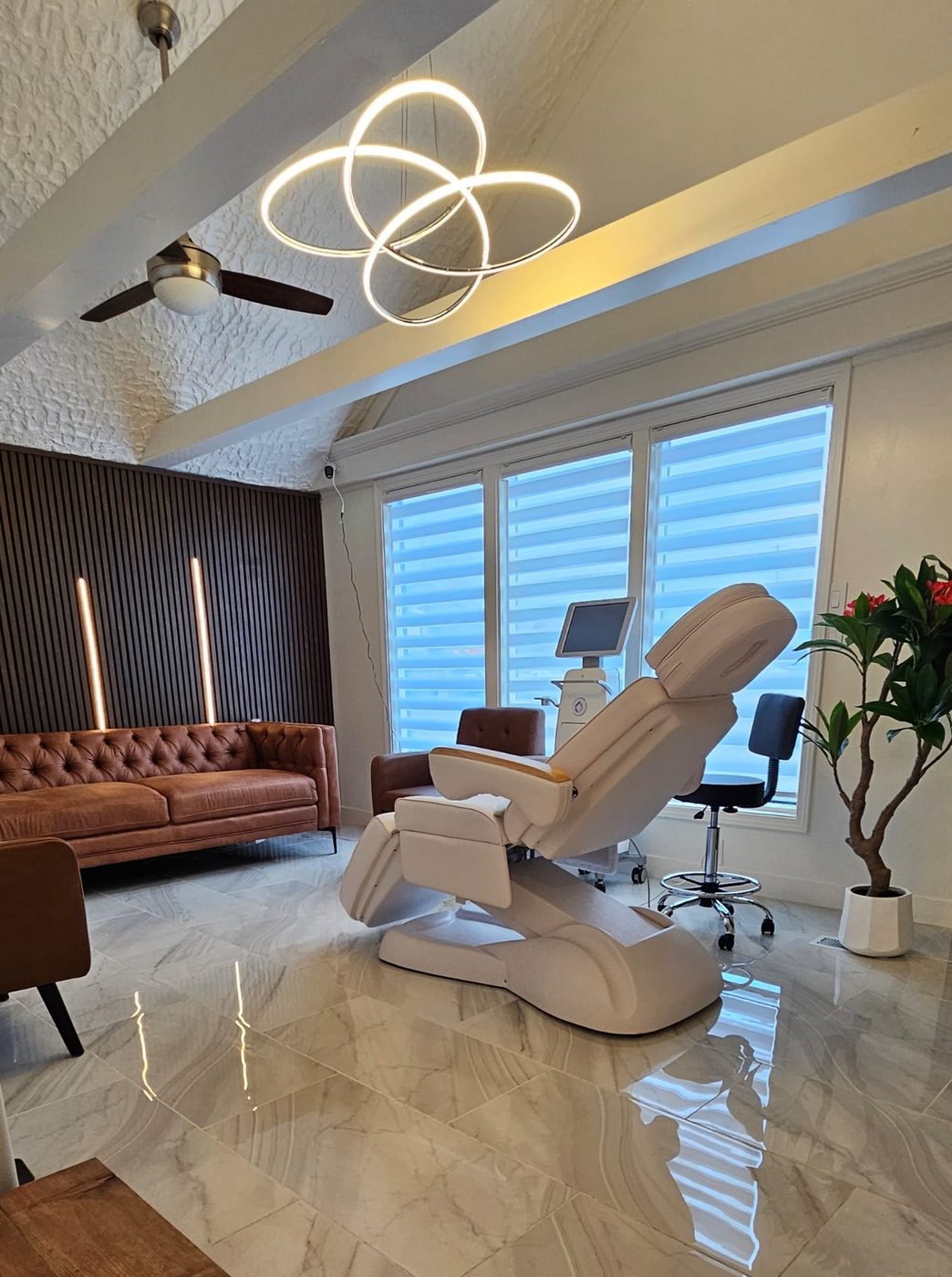
PRF stands for Platelet-Rich Fibrin — a preparation made entirely from your own blood. During your appointment, our licensed registered nurse (RN) clinicians draw a small sample of blood, which is then placed in a centrifuge and spun at a carefully calibrated, lower speed than traditional PRP protocols. This slower spin preserves a richer concentration of platelets, white blood cells, and growth factors within a three-dimensional fibrin matrix.
That fibrin matrix is the key distinction. Rather than releasing growth factors all at once, the fibrin scaffold acts as a slow-release reservoir — delivering regenerative signals to the under-eye tissue over a period of up to two weeks after injection. According to a 2025 systematic review published in the Journal of Cosmetic Dermatology by Sollitto et al., this sustained growth factor release is what differentiates PRF from earlier platelet preparations and supports its use for periorbital rejuvenation. ↗
The growth factors concentrated in PRF — including PDGF, EGF, TGF-β, and VEGF — stimulate fibroblast proliferation, collagen synthesis, improved blood flow, and tissue regeneration in the delicate periorbital skin. The result is gradual, natural-looking improvement in skin quality, tone, and volume beneath the eyes.
Fibrin Matrix Scaffold
PRF forms a three-dimensional fibrin matrix that acts as a structural scaffold, entrapping platelets and releasing growth factors slowly over up to two weeks — unlike PRP, which releases growth factors rapidly and transiently.
Collagen Stimulation
Growth factors in PRF, particularly PDGF, stimulate fibroblast proliferation and collagen synthesis in the under-eye dermis, gradually improving skin density, texture, and firmness over multiple weeks.
Improved Microcirculation
VEGF and other angiogenic growth factors in PRF support neovascularization — the formation of new small blood vessels — which can reduce the appearance of dark circles caused by poor microcirculation beneath thin under-eye skin.
100% Autologous
Because PRF is derived entirely from your own blood, there is no risk of allergic reaction to a foreign substance. No synthetic filler, no animal-derived product — only your own biology, concentrated and reintroduced.
What It Treats
PRF under-eye treatment addresses the most common concerns patients bring to our west Lansing clinic:
- Under-eye hollows and tear trough shadowing — volume loss that creates a tired, sunken appearance
- Dark circles — particularly those caused by thin skin, poor microcirculation, or pigmentation
- Crepey or fine-lined under-eye skin — loss of skin density and collagen that creates a papery texture
- General under-eye fatigue — dullness, puffiness, and early signs of periorbital aging
Clinical bottom line: A 2023 experimental clinical trial by Mahmoodabadi et al. published in Dermatology Practical & Conceptual found that PRF injections in the periorbital region produced improvements in deep, fine, and small wrinkles, periorbital hyperpigmentation, and overall skin freshness in all study participants. ↗
Important candidacy note: PRF is most effective for mild to moderate under-eye hollowness and skin quality concerns. Patients with severe structural tear trough deficiency — deep, prominent hollows with significant volume loss — may achieve better correction with hyaluronic acid filler, or a combination approach. Our licensed RN clinicians assess severity at your free consultation and will give you an honest recommendation.
PRF Technology
What Makes PRF Different from PRP
PRF undergoes a shorter, slower, single-spin centrifugation — no anticoagulants are added. This preserves the fibrin network and produces a gel-like preparation that holds growth factors in place at the injection site. PRP, by contrast, requires an anticoagulant additive and releases its growth factors rapidly, with a shorter window of biological activity.
The Centrifugation Process
Blood is drawn and placed in a specialized tube, then centrifuged at a lower speed (approximately 700 RPM) compared to PRP. The resulting PRF preparation is a fibrin-rich, platelet-concentrated layer that is drawn up and injected directly into the under-eye tissue within minutes of preparation.
Growth Factor Concentration
PRF concentrates key regenerative growth factors — PDGF (platelet-derived growth factor), EGF (epidermal growth factor), TGF-β (transforming growth factor), and VEGF (vascular endothelial growth factor) — all derived from your own blood, with no synthetic additives.
EZ Gel: A Related Protocol
EZ Gel is a specific proprietary PRF preparation that involves an additional heating step to create a thicker, gel-like consistency. It is covered on its own dedicated page at Maison Zolara. Standard PRF under-eye treatment and EZ Gel are related but distinct protocols; your clinician will discuss which is appropriate for your anatomy and goals.
Safety & Risks
PRF under-eye treatment has a favorable safety profile because it uses your own blood — eliminating the risk of allergic reaction or foreign body response. However, as with any injectable treatment in the periorbital area, patients should understand the realistic risk profile.
The most common side effects are mild and temporary:
- Bruising — the under-eye area has a rich network of small blood vessels and bruising is common, typically resolving within 5–10 days
- Swelling — some swelling is expected immediately after treatment; it generally resolves within 24–72 hours
- Redness and tenderness at the injection site, resolving within 24–48 hours
The 2023 Mahmoodabadi et al. clinical trial noted that participants reported swelling at the injection site lasting up to one day, which resolved on its own without intervention. The 2025 Sollitto systematic review confirmed that both PRP and PRF "demonstrated favourable safety profiles with only mild, transient adverse effects." ↗
Injections near the eye carry inherent risks that require clinical expertise. At Maison Zolara, all PRF under-eye treatments are performed by our licensed registered nurse (RN) clinicians under the oversight of our on-staff Medical Director. We do not perform this treatment without a prior consultation to assess candidacy, anatomy, and contraindications.
Contraindications include active skin infection at the treatment site, platelet disorders or blood-clotting conditions, active anticoagulant therapy, pregnancy, and certain autoimmune conditions. A full medical history review is completed at your consultation.
PRF vs. Filler & PRP
Many patients arrive at Maison Zolara having researched multiple options. Here is a neutral comparison of the most common alternatives.
The appeal of PRF under-eye treatment — and the reason it has grown so significantly in search interest — is its position as a genuinely all-natural, own-blood alternative to synthetic filler. For patients who are concerned about looking "overdone," who have had unsatisfactory filler experiences, or who simply prefer to avoid synthetic substances near their eyes, PRF offers a biologically compatible path forward.
The tradeoff is that PRF produces gradual, subtle results rather than the immediate volumizing correction that hyaluronic acid filler can provide. This is not a weakness — it is a feature for the right patient. Results build over weeks to months as collagen is stimulated and skin quality improves. They look natural because they are natural.
| Feature | PRF Under-Eye | Hyaluronic Acid Filler | PRP |
|---|---|---|---|
| Origin | Your own blood | Synthetic HA gel | Your own blood |
| Result onset | Gradual (weeks–months) | Immediate | Gradual (weeks) |
| Primary mechanism | Collagen stimulation, skin quality | Volume replacement | Growth factor release |
| Duration | 6–12+ months (varies) | 9–18 months (varies) | 3–6 months (varies) |
| Allergy risk | None (autologous) | Very low | None (autologous) |
| Growth factor release | Sustained (up to 2 weeks) | N/A | Rapid, transient |
| Fibrin scaffold | Yes | No | No |
| Best for | Skin quality, mild hollows, dark circles | Moderate–severe volume loss | Skin quality, pigmentation |
Note on EZ Gel: EZ Gel is a proprietary PRF-based preparation with a thicker, gel-like consistency that can provide some immediate volume in addition to growth factor stimulation. It is covered on its own dedicated page at Maison Zolara and may be discussed as an alternative protocol at your consultation.
What to Expect
Before Your Treatment
Your journey begins with a free consultation at our west Lansing location. Our licensed RN clinicians assess your under-eye anatomy, skin quality, and the severity of your concerns. We review your medical history for contraindications and discuss realistic outcomes. You'll be advised to avoid blood-thinning medications (aspirin, ibuprofen, fish oil) for 5–7 days before treatment if medically appropriate, and to arrive well-hydrated. Alcohol should be avoided for 24 hours prior.
During Treatment
A small blood draw — typically 10–20 mL — is taken from your arm. The blood is placed in a centrifuge and spun to create the PRF preparation. Topical numbing cream is applied to the under-eye area. Once the PRF is prepared (approximately 10–15 minutes), our RN clinician carefully injects it into the tear trough and under-eye region using a fine needle or cannula. The full appointment typically takes 45–60 minutes. Most patients describe the discomfort as mild.
After Treatment
Expect some swelling and possible bruising for 5–10 days. Cold compresses can help with swelling in the first 24 hours. Avoid strenuous exercise, alcohol, and sun exposure for 48 hours. Do not massage or apply pressure to the treated area. Most patients return to normal activities the same day or the next day, though visible bruising may require concealer. Initial results may be subtle; meaningful improvement typically becomes visible at 4–8 weeks as collagen remodeling progresses.
Aftercare
Proper aftercare protects your investment and supports the best possible outcome. The under-eye area is delicate — follow these guidelines carefully.
Pricing
PRF under-eye treatment at Maison Zolara starts From $550 per session. Maison Circle members receive member pricing starting From $490 per session.
Because every patient's anatomy and goals are different, final pricing is confirmed at your free consultation after our licensed RN clinicians assess your specific needs and recommend a treatment plan. Most patients benefit from a series of 2–3 sessions spaced 4–6 weeks apart for optimal collagen stimulation and results.
Maison Circle members receive member pricing on PRF Under-Eye Treatment and can track their treatment journey in the Zolara Care app (available on the App Store).
Am I a Good Candidate?
PRF under-eye treatment is well-suited for a wide range of patients, but it is not the right choice for everyone. Here is a straightforward guide to help you understand whether it may be appropriate for you.
If you're unsure which category you fall into, a free consultation with our licensed RN clinicians is the best next step. We serve patients from East Lansing, Okemos, Mason, DeWitt, Grand Ledge, and throughout the greater Lansing area.
FAQ
Related Treatments
Dermal Fillers in Lansing, MI
RHA Collection hyaluronic acid fillers for immediate volume restoration in the tear trough and facial contouring. Best for moderate to significant structural hollowness.
EZ Gel Autologous Filler
A proprietary PRF-based preparation with a thicker, gel-like consistency that combines growth factor stimulation with some immediate volumizing effect. Covered on its own dedicated page.
PRP Facial in Lansing, MI
Platelet-Rich Plasma facial rejuvenation for overall skin quality, texture, and tone. A related autologous treatment using your own blood's growth factors.
RF Microneedling in Lansing, MI
Candela Matrix RF microneedling for collagen remodeling, skin texture, and resurfacing. Can complement PRF treatment as part of a comprehensive skin renewal plan.
Chemical Peels in Lansing, MI
Medical-grade VI Peel and chemical peels for skin renewal, tone correction, and surface-level pigmentation improvement.
Skin & Laser Treatments
Browse our full menu of MD-supervised skin treatments available at Maison Zolara in west Lansing.
Serving the Greater Lansing Area
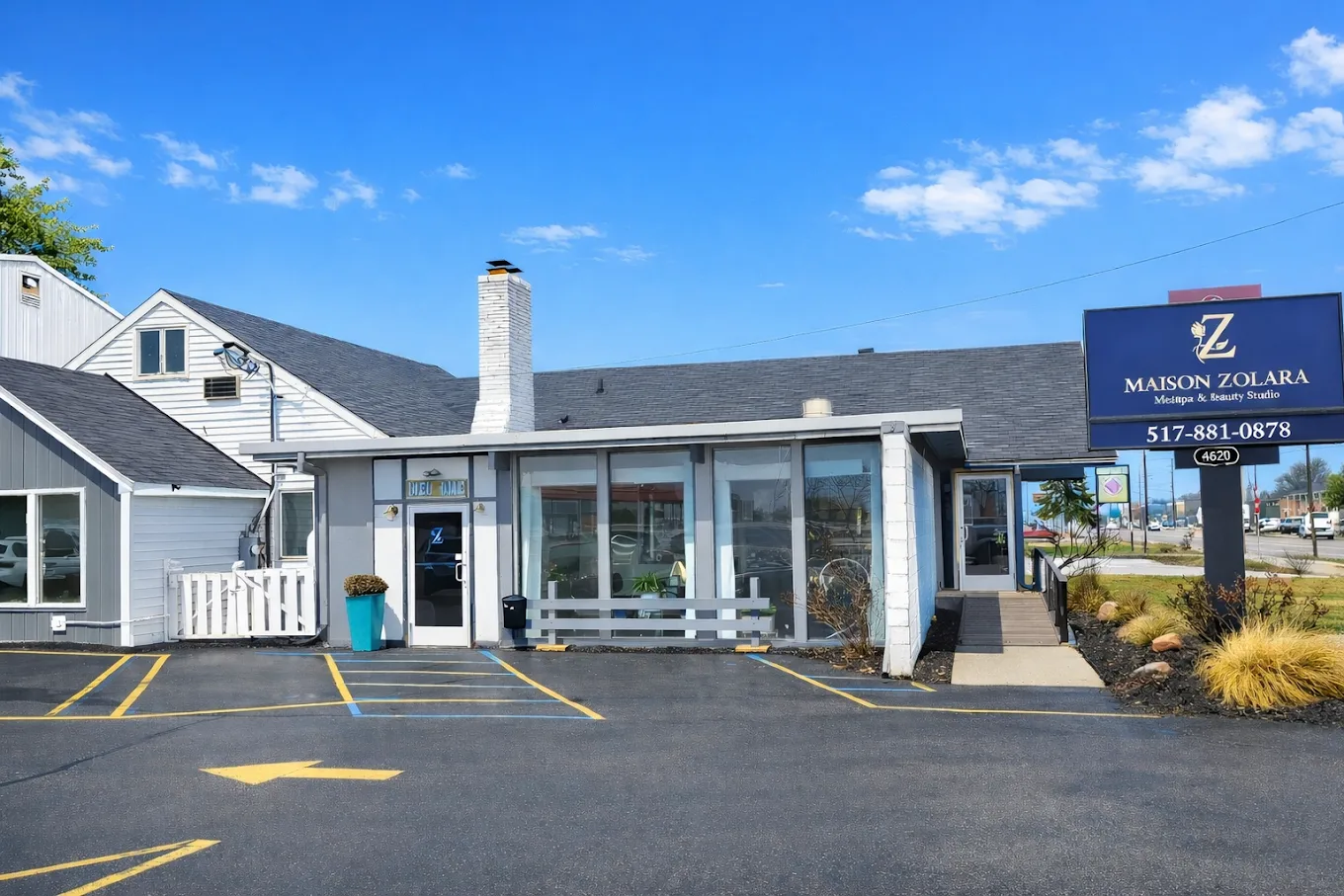
Maison Zolara is located in west Lansing at 4820 W Saginaw Hwy — conveniently positioned on W Saginaw Hwy with easy access from across the greater Lansing region.
We welcome patients from throughout our 30-mile service radius, including East Lansing, Okemos, Holt, DeWitt, Grand Ledge, Mason, Charlotte, St. Johns, and Williamston. Whether you're commuting from the Michigan State University corridor in East Lansing or driving in from Okemos or DeWitt, our west Lansing location is a straightforward drive.
Our clinic hours are 9:00 AM – 7:00 PM Monday through Friday and 9:00 AM – 5:00 PM on Saturdays. Free consultations are available — book online or call us directly to speak with a member of our team.
Clinical References
Sollitto CF, Narduzzi M, Wolinsky C, et al. A Systematic Review of Platelet-Rich Plasma Versus Platelet-Rich Fibrin for Periorbital Rejuvenation. Journal of Cosmetic Dermatology. 2025;(Nov). https://pmc.ncbi.nlm.nih.gov/articles/PMC12587466/
Ahmadi Mahmoodabadi R, Golafshan HA, Pezeshkian F, Shahriarirad R, Namazi MR. Evaluation of the Effect of Platelet-Rich Fibrin Matrix in the Correction of Periorbital Wrinkles: An Experimental Clinical Trial. Dermatology Practical & Conceptual. 2023;13(1):e2023050. https://pmc.ncbi.nlm.nih.gov/articles/PMC9946120/
The Biological Role of Platelet Derivatives in Regenerative Aesthetics. PMC/National Institutes of Health. 2024. https://pmc.ncbi.nlm.nih.gov/articles/PMC11172268/
Page Disclaimer: The information on this page is provided for educational purposes only and does not constitute medical advice. Clinical references are sourced from peer-reviewed research and named institutions as cited below. Individual results vary. Consult a qualified healthcare provider before beginning any treatment.
The Medical Director provides clinical oversight of treatments performed at this practice. The Medical Director does not author, review, or endorse website content.