Dark Spots Treatment in Lansing, MI
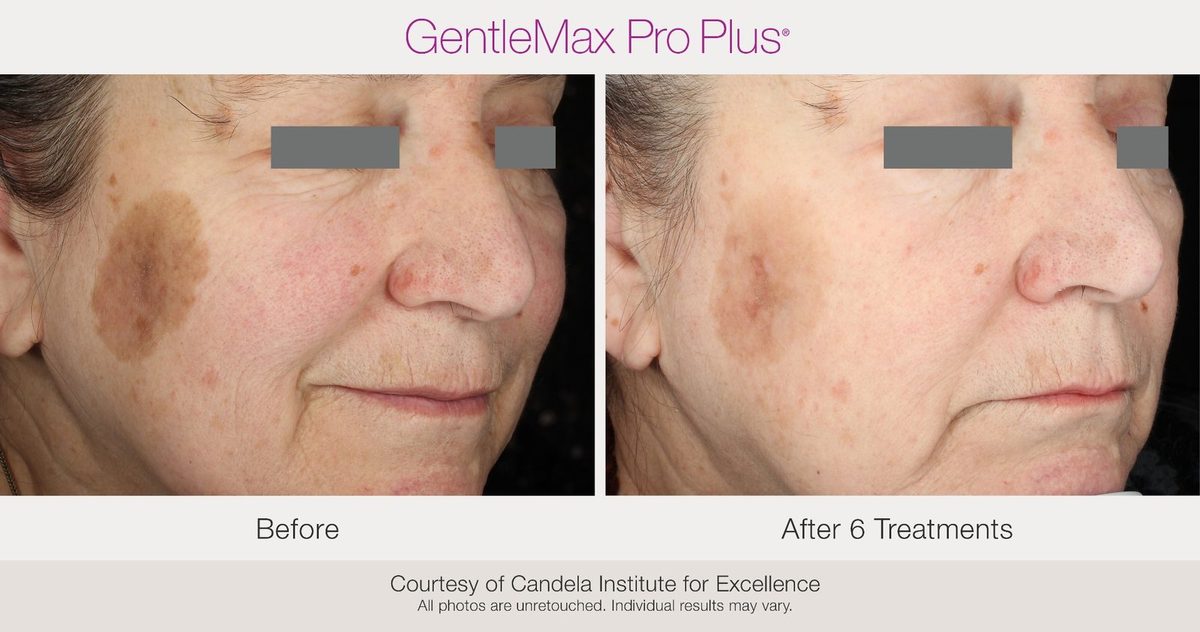
If you have spent months cycling through serums, spot treatments, and brightening creams without seeing lasting improvement, you are not alone. Dark spots on the face, body, and sensitive areas like the underarms are among the most common skin concerns we see at Maison Zolara — and one of the most undertreated, because most over-the-counter products work only at the surface of the skin. True pigmentation often lives in the deeper dermal layers, where topical ingredients cannot penetrate effectively.
Our licensed registered nurse (RN) clinicians, working under the clinical oversight of our on-staff Medical Director, offer a structured, evidence-informed approach to dark spot reduction. Every treatment plan begins with a thorough skin assessment to identify the type of pigmentation you have — because sun spots, melasma, and post-inflammatory hyperpigmentation each have different root causes and respond to different protocols.
- ✓Candela GentleMax Pro Plus (Melasma & Pigmentation Protocol)
- ✓FDA-cleared technology
- ✓All skin types
- ✓MD-supervised
- ✓RN-performed
- ✓Free consultation
- ✓Package pricing available
How It Works
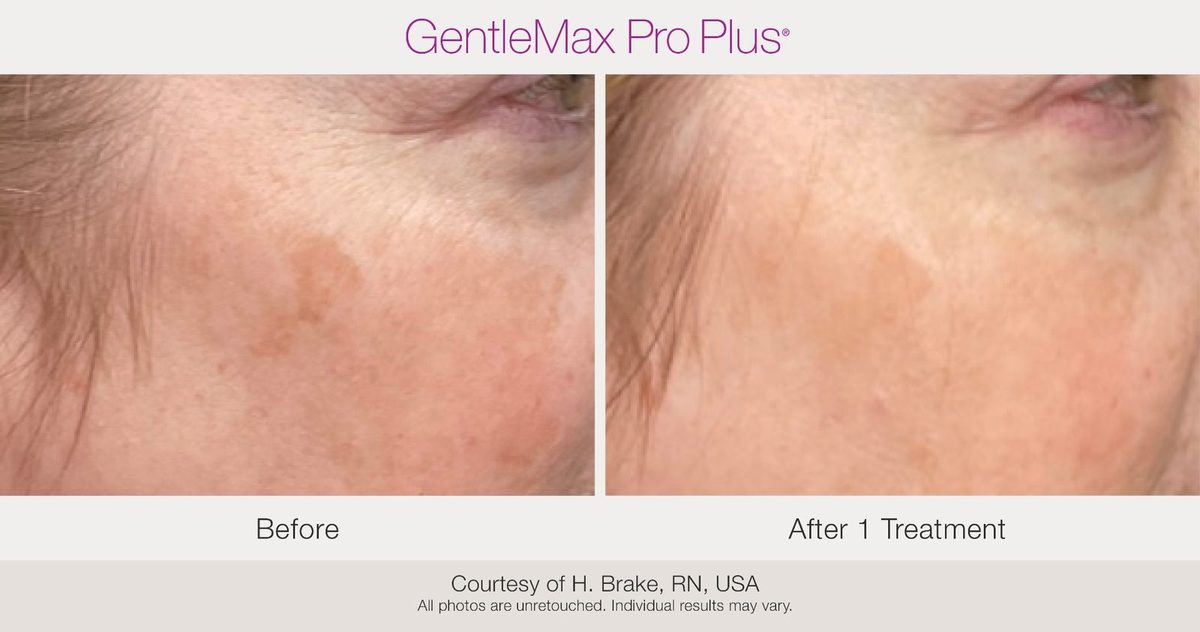
Dark spots form when melanocytes — the pigment-producing cells in your skin — become overactive and deposit excess melanin in concentrated areas. The trigger varies by pigmentation type, but the result is the same: localized darkening that can be difficult to address without targeted, professional-grade intervention.
The Candela GentleMax Pro Plus (Melasma & Pigmentation Protocol) uses a 755 nm Alexandrite laser wavelength to selectively target melanin-rich cells. The laser energy is absorbed by the pigment, causing the melanin clusters to fragment. The body's natural lymphatic system then clears the broken-down pigment over the following weeks, gradually lightening the treated area. The device's integrated Dynamic Cooling Device (DCD) delivers a burst of cryogen to the skin surface milliseconds before each laser pulse, protecting the surrounding tissue and making the treatment tolerable for most patients.
According to a peer-reviewed study published in PubMed (PMID 22181827) by researchers evaluating quality-switched lasers for solar lentigines, laser-based pigment reduction is a well-established and effective approach — though careful parameter selection based on skin type is essential to minimize the risk of post-inflammatory hyperpigmentation, particularly in darker Fitzpatrick skin tones. Our licensed RN clinicians are trained in skin-type-specific protocols to address this precisely.
Clinical bottom line: Laser pigment reduction works by targeting melanin selectively. The key to safe, effective outcomes is matching the correct wavelength, fluence, and cooling protocol to your specific skin type and pigmentation subtype — which is why a professional consultation is essential before any treatment.
What It Treats
Dark spots are not a single condition. The term covers several distinct pigmentation subtypes, each with its own cause, depth, and ideal treatment approach. Understanding which type you have is the first step toward an effective plan.
Sun Spots (Solar Lentigines)
Also called age spots or liver spots, solar lentigines are caused by cumulative UV exposure. They appear as flat, well-defined brown or tan patches — most commonly on the face, hands, décolletage, and shoulders. According to the American Academy of Dermatology, procedures including laser therapy and chemical peels tend to work faster than topical treatments for age spots. ↗ The Candela GentleMax Pro Plus is particularly well-suited to solar lentigines because the 755 nm wavelength is highly absorbed by the melanin in these superficial, well-defined lesions.
Melasma (Hormonal Pigmentation)
Melasma is a hormonally driven form of hyperpigmentation triggered by estrogen and progesterone fluctuations — commonly associated with pregnancy, oral contraceptives, and hormonal therapies. It typically presents as larger, blotchy patches on the cheeks, forehead, and upper lip. According to a 2024 peer-reviewed update published in PMC/NIH (PMC11148313), melasma management requires a multi-modal approach combining topical agents, chemical peeling, and carefully selected laser therapy. ↗ Melasma has its own dedicated treatment page at Maison Zolara — see our Melasma & Pigmentation Treatment page for full protocol details.
Post-Inflammatory Hyperpigmentation (PIH)
PIH develops after skin trauma — acne breakouts, eczema flares, ingrown hairs, waxing, or minor wounds. As the skin heals, melanocytes overproduce pigment in the affected area, leaving a dark mark that can persist for months or years. PIH is particularly common in medium-to-deeper skin tones (Fitzpatrick III–VI). Treatment requires a gentler, more conservative approach than sun spots, and our clinicians adjust laser parameters accordingly. PIH from acne is a related concern addressed in detail on our Acne Treatment page.
Body Hyperpigmentation
Dark spots are not limited to the face. Underarm hyperpigmentation — a common concern — as well as dark spots on the knees, elbows, inner thighs, and body in general can be addressed with the same laser platform. Body treatment protocols are customized based on the area's skin thickness and sensitivity.
According to a 2022 clinical study published in PubMed (PMID 22515674), intense pulsed light and laser-based phototherapy for solar lentigines demonstrated that 62% of patients achieved more than 50% improvement, with no patients discontinuing due to adverse effects when appropriate parameters were used.
Candela GentleMax Pro Plus
The Candela GentleMax Pro Plus (Melasma & Pigmentation Protocol) is the device at the center of our pigment reduction treatments. It is a dual-wavelength laser platform that combines a 755 nm Alexandrite laser with a 1064 nm Nd:YAG laser, giving our clinicians the flexibility to treat a wide range of pigmentation concerns across all Fitzpatrick skin types I–VI.
755 nm Alexandrite
The 755 nm wavelength is the primary workhorse for superficial pigmentation — solar lentigines, freckles, and epidermal dark spots. Melanin absorbs this wavelength with high efficiency, making it precise and effective for well-defined brown lesions on lighter skin tones.
1064 nm Nd
The 1064 nm wavelength penetrates deeper into the dermis and is safer for medium-to-darker skin tones (Fitzpatrick IV–VI). It is used for deeper pigmentation, vascular components, and patients where the 755 nm wavelength carries a higher risk of post-inflammatory response.
Dynamic Cooling Device (DCD)
The integrated DCD delivers a cryogen spray to the skin surface milliseconds before each laser pulse. This protects the epidermis from thermal injury, significantly improving patient comfort and reducing the risk of adverse effects — a key safety feature that distinguishes medical-grade devices from non-cooled alternatives.
Melasma & Pigmentation Protocol
Our clinicians use a specific parameter protocol optimized for pigmentation reduction — distinct from the laser hair reduction or vascular protocols. Fluence, pulse duration, spot size, and cooling settings are all calibrated for melanin targeting rather than hair follicle destruction or vessel coagulation.
Safety & Risks
Laser pigment reduction is a well-established, FDA-cleared procedure when performed by trained clinicians on appropriate candidates. That said, it is not without considerations — and we believe transparency about risks is part of responsible care.
The most important safety considerations for dark spot laser treatment include:
- Post-inflammatory hyperpigmentation (PIH) — Paradoxically, laser treatment can cause PIH if parameters are too aggressive, especially in Fitzpatrick IV–VI skin tones. Our clinicians use conservative starting parameters and skin-type-specific protocols to minimize this risk.
- Hypopigmentation — Overtreatment can temporarily or, rarely, permanently lighten the treated area beyond the target. This is why conservative, staged treatment is preferred over aggressive single sessions.
- Melanoma differentiation — A dark spot that is new, changing, asymmetric, multicolored, or has irregular borders should be evaluated by a dermatologist or physician before any cosmetic treatment. Laser treatment is not appropriate for lesions that may be malignant. If you have any concern about a spot, please consult a qualified healthcare provider before booking.
- Skin tone considerations — Darker skin tones require adjusted protocols. Our clinicians are trained in Fitzpatrick-appropriate parameter selection and will not proceed with treatment if the risk profile is not appropriate for your skin type.
- Sun sensitivity — Treated skin is more photosensitive for several weeks post-treatment. Strict daily SPF 50+ use is non-negotiable during and after a treatment series.
Important: Any pigmented lesion that is new, rapidly changing, irregularly shaped, or multicolored should be evaluated by a licensed medical provider before cosmetic treatment. Dark spots and melanoma can appear similar to the untrained eye. When in doubt, seek a medical evaluation first.
Laser vs. Other Options
Patients often ask how laser pigment reduction compares to other approaches. The right choice depends on your pigmentation type, skin tone, depth of pigmentation, and treatment goals. Here is a neutral comparison of the main options available at Maison Zolara.
The table below summarizes key differences to help you understand the landscape of professional pigmentation options.
| Modality | Best For | Depth | Downtime | Sessions Needed |
|---|---|---|---|---|
| Candela Laser (755 nm) | Solar lentigines, focal dark spots | Epidermal–dermal | 24–48 hrs redness | 1–3 |
| Candela Laser (1064 nm) | Deeper pigmentation, darker skin tones | Dermal | 24–48 hrs redness | 2–4 |
| Medical-Grade Chemical Peel | Diffuse pigmentation, melasma | Epidermal | 5–7 days peeling | 1–3 series |
| Sublative RF Resurfacing | Texture + pigmentation combined | Epidermal–dermal | 3–5 days | 3 |
| OTC Topical Correctors | Mild surface brightening only | Epidermal surface | None | Ongoing |
Note: Melasma and post-inflammatory hyperpigmentation have their own dedicated treatment pages at Maison Zolara — Melasma & Pigmentation Treatment and Sun Damage Treatment — with protocols specific to those conditions.
What to Expect
Here is what a typical dark spots treatment journey looks like at Maison Zolara.
Before Your Treatment
Your first visit is a complimentary consultation with one of our licensed RN clinicians. We assess your skin type (Fitzpatrick scale), identify the type and depth of your pigmentation, review your medical history and any medications (some photosensitizing medications require a treatment pause), and develop a personalized protocol. We will also photograph your skin to track progress. Avoid sun exposure, self-tanner, and retinoids for at least one week before your first session.
During Treatment
Treatment sessions typically take 20–45 minutes depending on the area being treated. A topical numbing cream is available for sensitive areas. The DCD cooling system makes most patients describe the sensation as a mild snap followed by a cooling sensation. Our clinicians work methodically across the treatment area, adjusting parameters in real time based on your skin's response. You will notice the treated spots may darken slightly immediately after — this is normal and indicates the pigment has been targeted.
After Treatment
Expect mild redness and slight darkening of the treated spots for 24–72 hours. The darkened spots will gradually flake or fade over 2–4 weeks as your body clears the fragmented melanin. Strict daily SPF 50+ application is required throughout your treatment series and for at least 4 weeks after your final session. Avoid direct sun exposure, heat (saunas, hot yoga), and active exfoliants for one week post-treatment. Most patients return to normal activities immediately.
Aftercare
Proper aftercare is essential to achieving the best possible results and minimizing the risk of complications. The two most common reasons dark spots return or worsen after treatment are inadequate sun protection and premature re-exposure to UV radiation.
Pricing
Dark spots treatment at Maison Zolara is priced transparently, with final pricing confirmed at your complimentary consultation based on the area(s) being treated and the number of sessions recommended for your specific pigmentation type.
- Standard pricing: From $275 per session
- Maison Circle member pricing: From $235 per session
- Package pricing: Available for multi-session treatment plans, confirmed at consultation
Maison Circle members receive member pricing on Dark Spots Treatment and can track their treatment journey in the Zolara Care app (available on the App Store).
Final pricing is confirmed at your consultation. Pricing varies based on treatment area size, number of sessions, and protocol selected.
Am I a Good Candidate?
Most adults with dark spots on the face or body are candidates for professional pigment reduction. The best way to confirm candidacy is through a complimentary consultation with our licensed RN clinicians. As a general guide:
Good Candidates
- ✓Adults with solar lentigines (sun spots / age spots) on face, hands, or body
- ✓Patients with post-inflammatory hyperpigmentation from acne, eczema, or minor trauma
- ✓Patients with stable, non-hormonal dark spots
- ✓Fitzpatrick skin types I–VI (with appropriate protocol adjustments)
- ✓Patients who have not had recent sun exposure or tanning
- ✓Patients who can commit to strict sun protection throughout treatment
- ✓Patients from East Lansing, Okemos, Holt, Mason, DeWitt, Grand Ledge, and the greater mid-Michigan area
Not a Good Fit
- ✗Active tan or recent significant sun exposure within 2 weeks
- ✗Pregnancy or breastfeeding
- ✗Active skin infection, open wounds, or active acne in the treatment area
- ✗History of keloid scarring
- ✗Photosensitizing medications without medical clearance
- ✗Pigmented lesions that have not been evaluated for malignancy
- ✗Unrealistic expectations — results vary by pigmentation type and depth
- ✗Active melasma without a comprehensive management plan in place
Frequently Asked Questions
Related Treatments
Melasma & Pigmentation Treatment
Dedicated protocol for hormonally driven melasma and diffuse pigmentation — a distinct condition from solar lentigines requiring its own comprehensive management plan.
Sun Damage Treatment
Comprehensive treatment for UV-related skin damage including solar lentigines, uneven tone, and photoaging — a related concern with its own dedicated page at Maison Zolara.
Chemical Peels
Medical-grade VI Peel and chemical peels for skin renewal and tone correction — often used in combination with laser treatment for comprehensive pigmentation results.
Acne Treatment
RF-based and laser acne treatment addressing active breakouts and the post-inflammatory hyperpigmentation they leave behind.
RF Microneedling
Candela Matrix RF microneedling for combined skin texture and pigmentation improvement — an excellent complement to laser pigment reduction.
Sublative RF Resurfacing
Candela Sublative RF resurfacing for acne scars, uneven texture, and pigmentation — addresses both surface and dermal layers simultaneously.
Serving the Greater Lansing Area
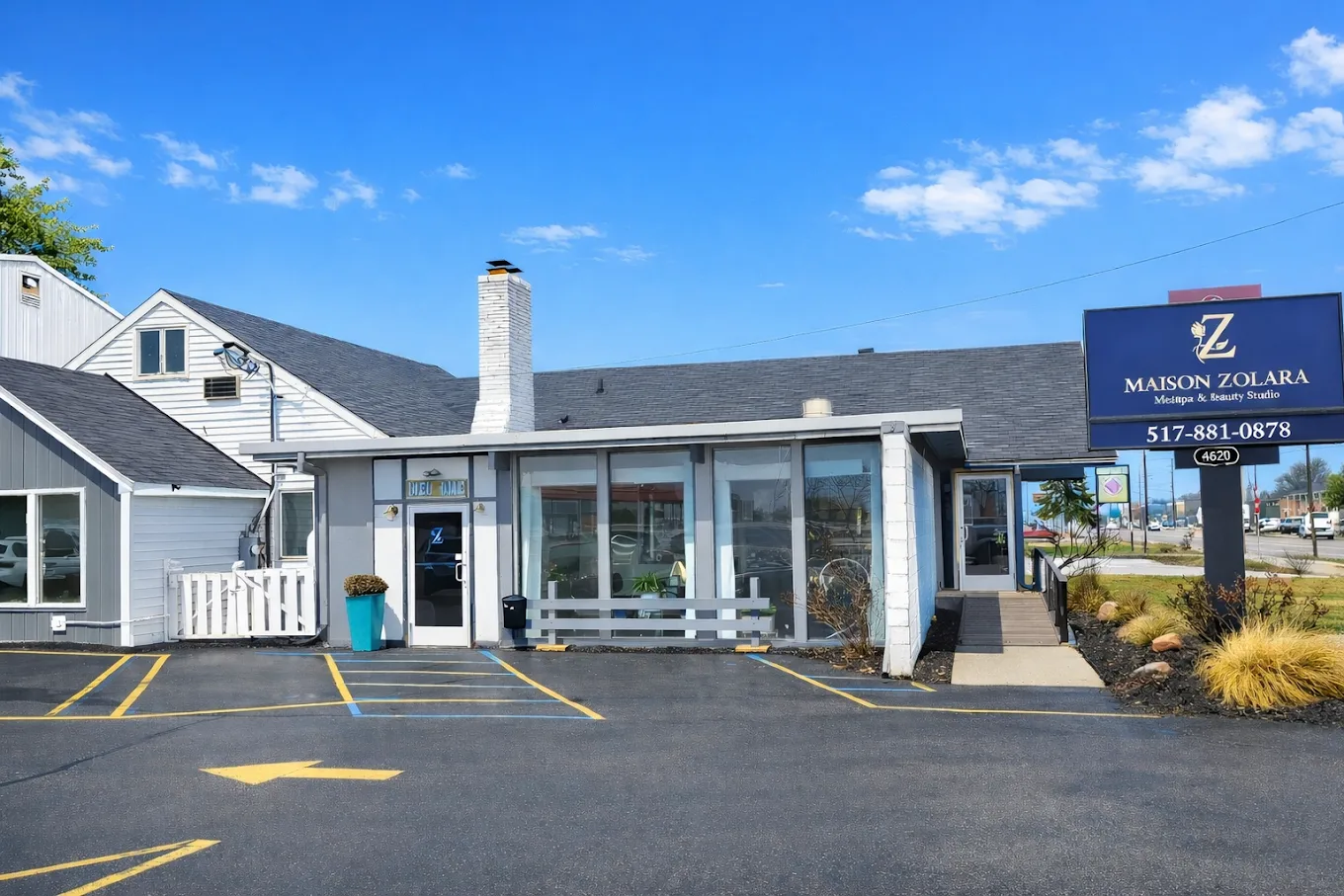
Maison Zolara is located in west Lansing at 4820 W Saginaw Hwy, conveniently accessible from across the mid-Michigan region. We serve patients from Lansing, East Lansing, Okemos, Holt, Mason, DeWitt, Grand Ledge, Charlotte, St. Johns, Williamston, and the surrounding 30-mile radius.
Our clinic hours are 9:00 AM – 7:00 PM Monday through Friday and 9:00 AM – 5:00 PM on Saturdays. Free consultations are available — book online or call us to schedule your dark spots assessment.
Whether you are coming from the Michigan State University corridor in East Lansing, the growing communities of Okemos and DeWitt, or further out toward Grand Ledge or Mason, Maison Zolara is mid-Michigan's closest option for MD-supervised, Candela-powered pigmentation treatment in a luxury medspa setting.
Clinical References
Comparative study of treatment efficacy and the incidence of post-inflammatory hyperpigmentation with different degrees of irradiation using two different quality-switched lasers for removing solar lentigines on Asian skin. PubMed. PMID: 22181827. https://pubmed.ncbi.nlm.nih.gov/22181827/
Clinical effectiveness of intense pulsed light therapy for solar lentigines of the hands. PubMed. PMID: 22515674. https://pubmed.ncbi.nlm.nih.gov/22515674/
Update on Melasma Treatments. PMC / National Institutes of Health. PMC11148313. Published 2024. https://pmc.ncbi.nlm.nih.gov/articles/PMC11148313/
American Academy of Dermatology. What can get rid of age spots? https://www.aad.org/public/cosmetic/age-spots-marks/get-rid-spots
American Academy of Dermatology. How to fade dark spots in darker skin tones. https://www.aad.org/public/everyday-care/skin-care-secrets/routine/fade-dark-spots
Page Disclaimer: The information on this page is provided for educational purposes only and does not constitute medical advice. Clinical references are sourced from peer-reviewed research and named institutions as cited below. Individual results vary. Consult a qualified healthcare provider before beginning any treatment.
The Medical Director provides clinical oversight of treatments performed at this practice. The Medical Director does not author, review, or endorse website content.
Candela® and GentleMax Pro Plus® are registered trademarks of Candela Corporation. Maison Zolara is an authorized Candela partner.